Apprentice spotlight: Dan’s journey

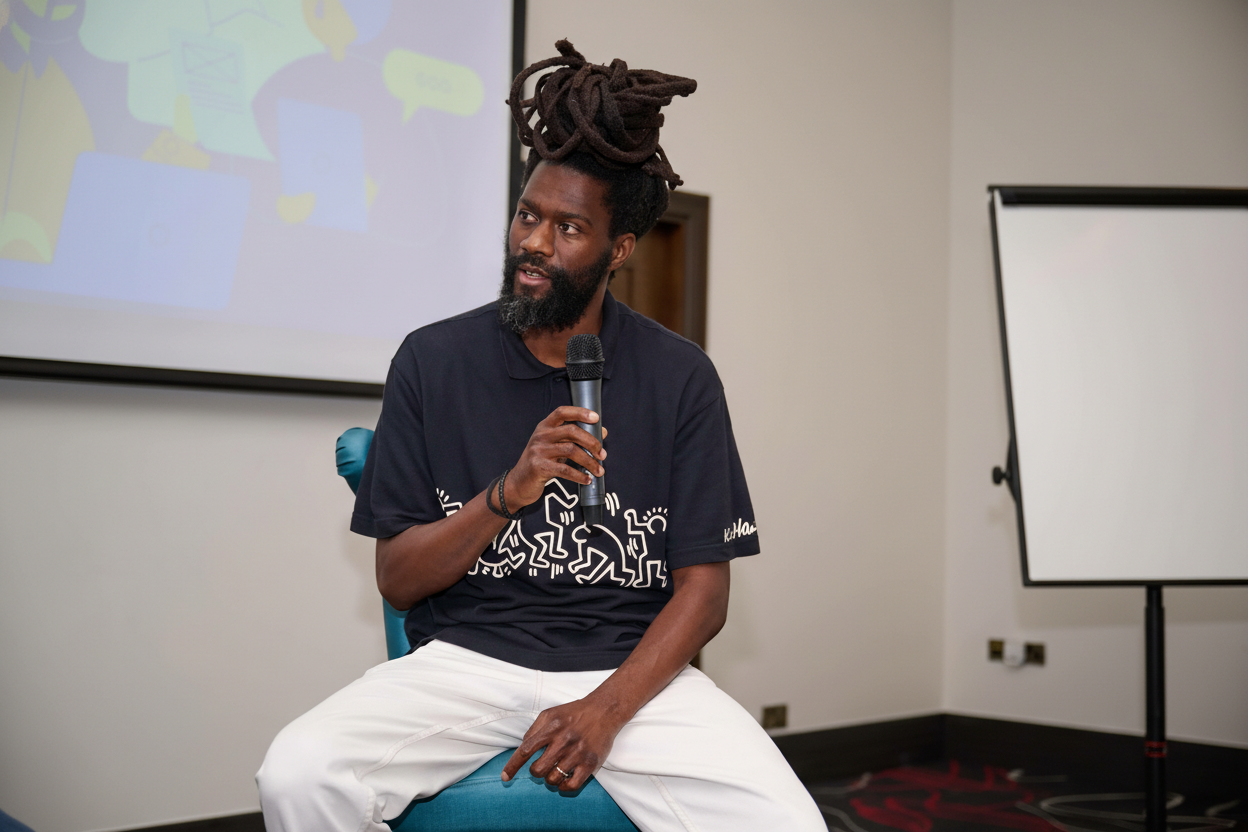
As part of our National Apprenticeship Week 2026 celebrations, we caught up with Dan Defoe, Employer Engagement Executive in Mindful Education’s Employer Engagement team, to talk about his apprenticeship journey, the challenges he faced, and the confidence he built along the way.
Tell us about your role at Mindful Education and the apprenticeship you completed.
I’m part of the Employer Engagement team. On a day-to-day basis, I speak with employers and prospective learners, introducing the idea of apprenticeships and outlining the benefits they can bring to both individuals and organisations. I completed the Sales Executive Level 4 apprenticeship programme with The JGA Group.
What made you want to do an apprenticeship?
The idea actually came from my line manager. CPD is important to me, but at the time, I wasn’t doing anything formal or vocational. They saw the apprenticeship as a way for me to learn more about internal processes, gain a broader understanding of my role, and develop skills that I knew needed some work.
I liked the idea of challenging myself, developing professionally, and gaining a qualification at the same time. The fact that the apprenticeship could be completed online really cemented by decision, as it gave me the flexibility I needed to maintain a healthy work/life balance.
“I liked the idea of challenging myself, developing professionally, and gaining a qualification at the same time.”
How did you balance work and home commitments with studying and assessments?
Adjusting to work and study took some time, especially as I had left education almost 20 years ago!
At the beginning, I struggled to find the right balance and found myself slightly behind both on work objectives and my studies. This led to some honest conversations with my line manager about how I could adapt my workload, use my most productive time more effectively, and carve out space for studying. Preparing for assessments was actually more manageable, as I tend to work best under clear deadlines.
Which parts of the apprenticeship did you find most challenging, and how did you overcome them?
Challenges were always going to be part of the apprenticeship, just as they are in my day-to-day role. What I hadn’t prepared for was having to resit my EPA work-based project. This was a 5,000-word case study, and resitting meant I could no longer achieve a Distinction grade.
To overcome this, I reached out to my colleagues for support, particularly in areas where my understanding didn’t quite meet the pass criteria. After the initial disappointment, I embraced the encouragement I received from my colleagues, my course tutor and my coach. They all helped me stay positive and keep going.
One of the biggest lessons I learned is that apprentices aren’t expected to know everything. The purpose of the programme is to develop you into the professional you want to be. The EPA process was testing, but it built my resilience and strengthened my motivation and drive to succeed.
“I embraced the encouragement I received from my colleagues, my course tutor, and my coach. They all helped me stay positive and keep going.”
Was there a particular moment where you felt your confidence or skills really grew?
Honestly, my confidence grew every time I received positive feedback, whether that was on an assignment, during a conversation with my line manager or tutor, or even just answering a question in a workshop session. Nobody ever gets bored of being told they’re doing a good job.
One moment that really stood out was winning the ‘Charity of the Year’ pitch with my training provider, The JGA Group. My pitch was about CALM (Campaign Against Living Miserably), a charity that tackles mental health issues and suicide prevention. This was an independent side project that really tested my pitching and presentation skills, which I’d long identified as areas for improvement.
Winning the pitch led to public speaking opportunities – something I previously feared. After conquering that, my confidence soared, and I found myself applying those skills more broadly at work and in life.
How did the apprenticeship help you apply what you were learning directly to your job?
Being able to apply the practical elements of the learning in real time was incredibly valuable.
One module focused on client and customer engagement, including repeat business. As part of this, I re-engaged a past customer to create a new business opportunity.
This resulted in me hosting an apprenticeship information session for the organisation’s employees. Not only did this meet the task’s objective, but it also allowed me to develop my presentation and public speaking skills further.
Fast-forward twelve months, and that one task has led to three additional sales opportunities. This is a direct outcome of the apprenticeship and an opportunity I probably wouldn’t have proactively pursued otherwise.
“Being able to apply the practical elements of the learning in real time was incredibly valuable.”
What advice would you give to someone considering an apprenticeship?
Be really clear about what you want to gain, improve, or develop, and measure that against what the programme offers. Talk openly about this with your line manager.
Be open to developing the skills you’re already good at too. This was an unexpected bonus for me. Finally, make sure you understand the EPA and assessment criteria and what’s expected of you from the outset.
And most importantly: believe in yourself.
Dan works closely with employers, focusing on understanding their workforce development needs and explaining how our professional apprenticeships can help to meet them. Dan is also a Level 4, Sales Executive apprentice.