Flexible accounting courses with BMet

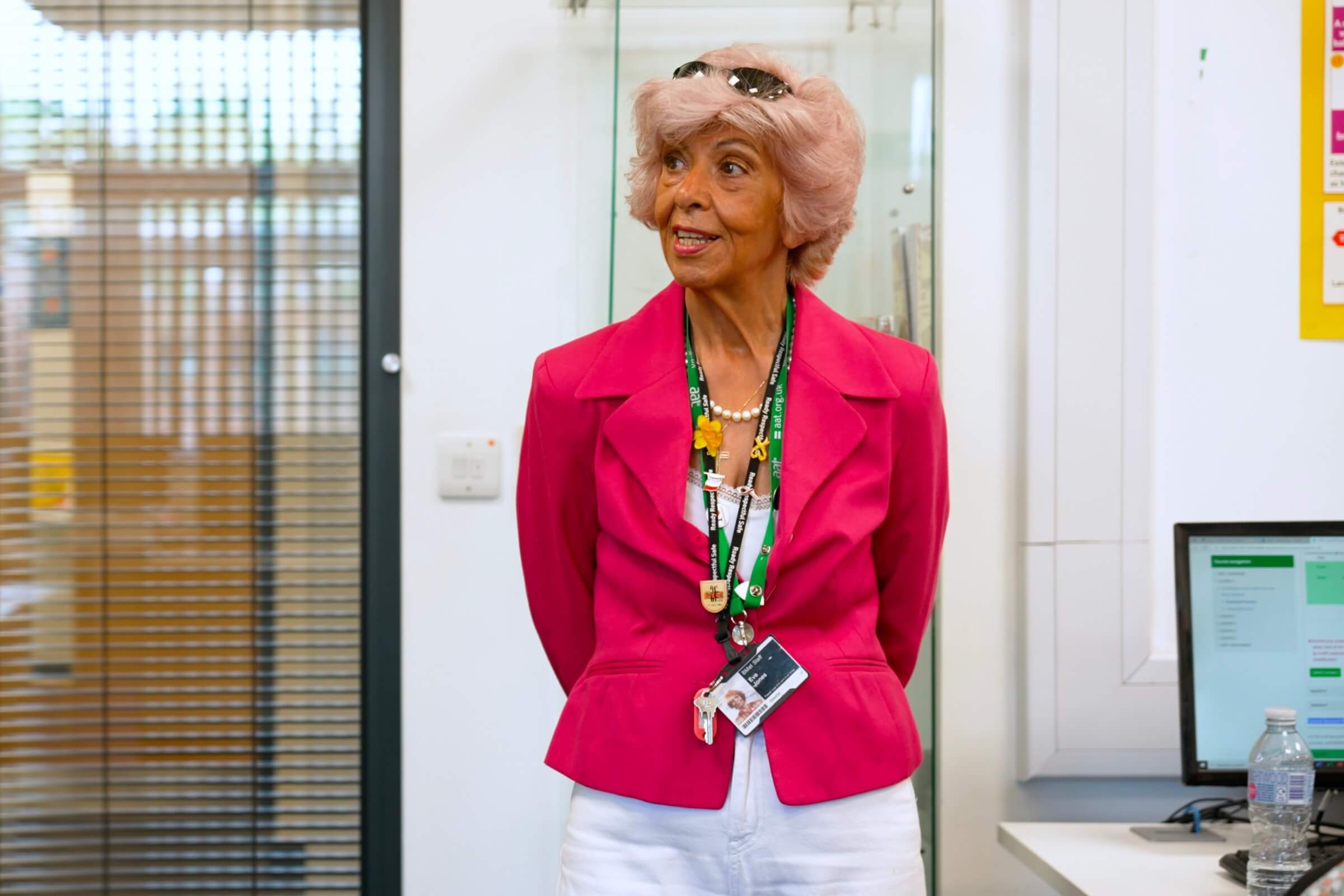
Eve Jones has many years of experience in the accounting industry and as a tutor. She is also an AAT Inspiration Award winner, Chair of AAT’s Birmingham branch and a member of the AAT Advisory Council. Through Birmingham Metropolitan College’s partnership with Mindful Education, Eve has been delivering Online and On Campus accounting courses for over 4 years.
Tell us about your background and how you started teaching AAT?
When my husband and I set up a business many years ago, we needed an accountant, so I went to college to study AAT. My tutor had a fantastic knowledge of his subject but had no experience of working in industry, so he couldn’t answer my questions about accounting in the workplace. As a result of that experience, I decided to go into teaching myself, with the aim of being a passionate teacher who brings work experience into the classroom.
After our business closed, I went on to become a financial controller in the automotive manufacturing industry and taught accounting in the evenings. I’ve semi-retired now, but I love teaching, so I’ve continued with that.
Before BMet’s partnership with Mindful Education, what were the main challenges you faced when teaching adults?
Adults need flexibility – they might have full-time jobs, children or other commitments, so it was harder for them to fit learning into their lives. For AAT Level 2, we were doing the traditional three hours a week, 6pm – 9pm. It was a long time for people to be in the classroom after a full day’s work, and if they missed a face-to-face lesson, they missed the learning.
As a tutor, I was delivering content – standing at the front, going through slides and trying to get through the syllabus. This left very little time for individual support.
How has the Online and On Campus model changed your role as a tutor?
The partnership has completely transformed how I prepare and how I use my time with students. The day before a classroom session, I log on to the VLE and view the class’s analytics report. The report shows me exactly where they are struggling, so I can prepare my lesson accordingly, focusing on weak spots. I don’t want to teach any other way!
“The partnership also means that I’m not working alone.”
The partnership also means that I’m not working alone – especially when students are struggling. I know I can call my contact at Mindful Education, and they will come out to my college to provide learners with scaffolded support, breaking down complex written tasks step-by-step.
How do your learners benefit from blended learning?
They can fit learning into their lives – they manage their own time. Some study early in the morning and others during the day, while their children are at school. They can access the materials whenever they need to. It also bridges the gap for ESOL students and people with different learning needs – especially using the video transcripts.
“Some learners study early in the morning and others during the day, while their children are at school. They can access the materials whenever they need to.”
Some learners are reluctant to try blended learning – often it’s because they lack the digital skills or don’t have regular access to a computer. As tutors, we can help them overcome these barriers – for example, by helping them to borrow a college laptop.
What do you think is the future for education?
People are worried about technology and AI replacing jobs in education, but I disagree – I see it
as a tool for teachers to use. Why would we want to go back to doing things the old way when we have these resources available?
Want to know more?
Visit our dedicated tutor pages to learn more about how Mindful Education works in partnership with college tutors to deliver high-quality blended learning.
Tutors at our partner colleges can access the latest documents, resources and updates from the Mindful Education Partner Hub, or via our Mindful Education Insights series.
The Mindful Education marketing team works closely with our partners to help them promote Online and On Campus courses and apprenticeships.